

HANDWRITING
Handwriting at Barnfields
At Barnfields Primary School, we believe that fluent, legible and automatic handwriting is a fundamental component of becoming a confident and successful writer. Our handwriting curriculum is carefully sequenced to ensure that all pupils develop accurate letter formation, efficient pencil control and a fluent, joined handwriting style. As handwriting becomes increasingly automatic, children are better able to focus on the composition, organisation and communication of their ideas rather than the physical process of writing itself.
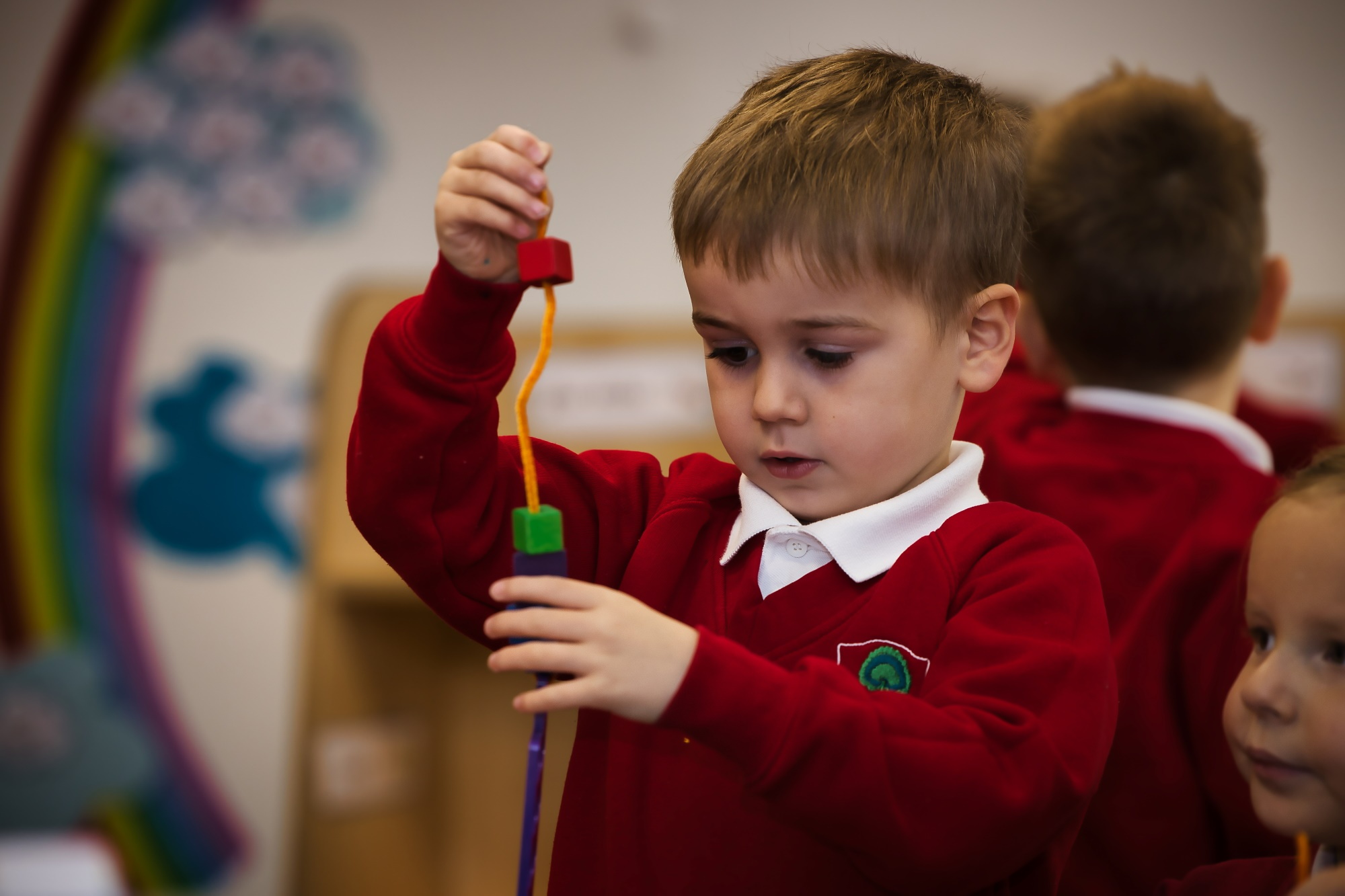
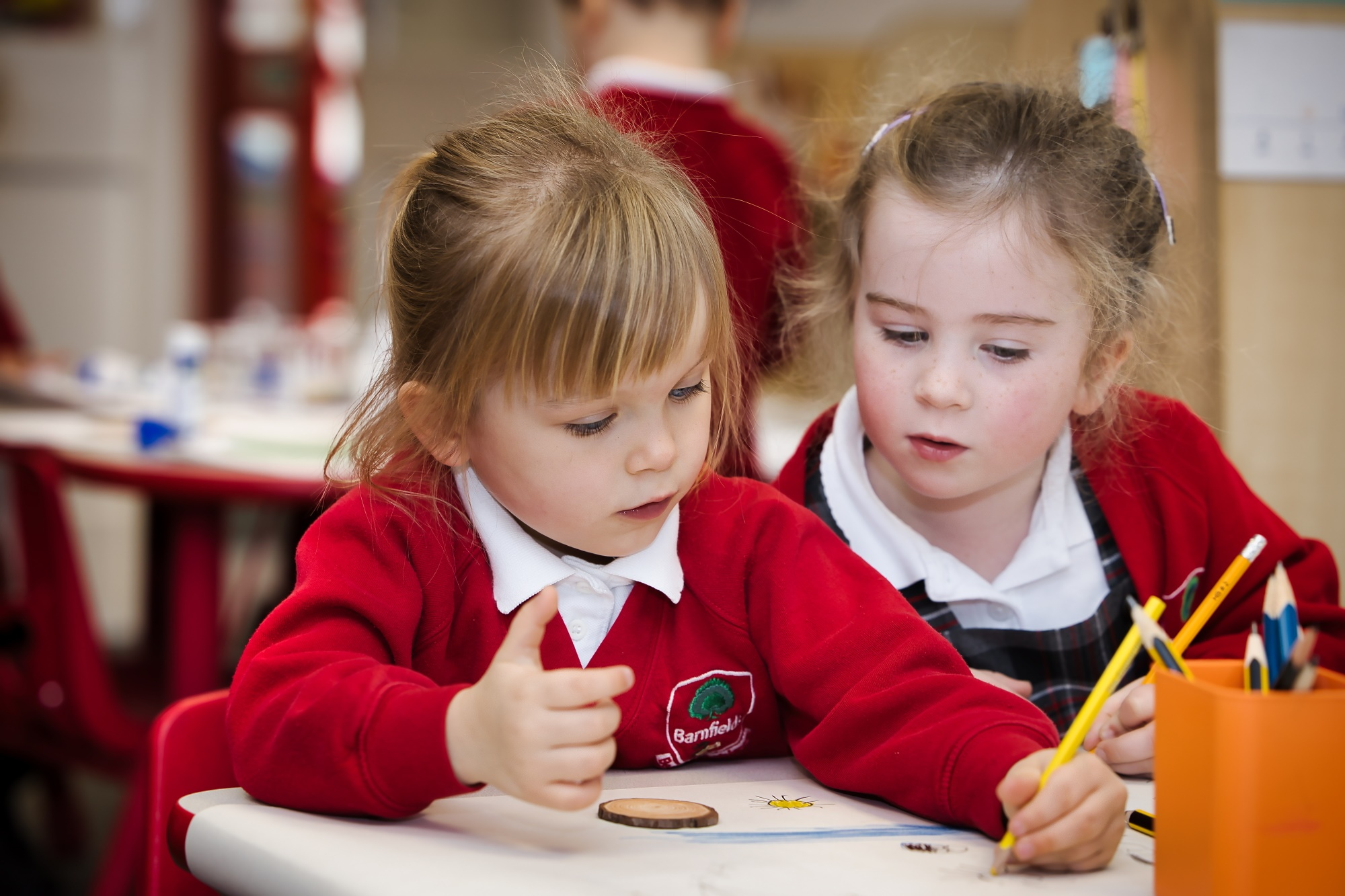
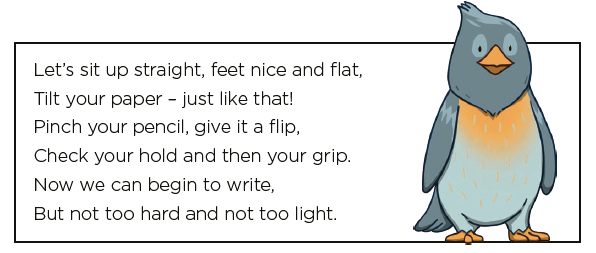
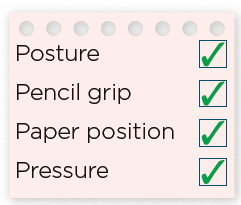
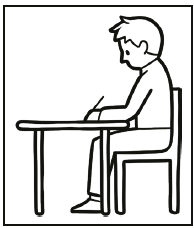
In the Early Years Foundation Stage, children begin by developing the physical foundations necessary for successful handwriting through the Little Wandle Handwriting Programme. Through carefully planned fine motor activities, pattern work and multisensory experiences, children develop the strength, coordination and control required for effective mark-making and writing. Alongside this, they are explicitly taught how to be ‘Ready to Write’ through the development of correct posture, pencil grip, paper position and pencil pressure. Once these foundations are secure, children learn to form lower-case letters, capital letters and numbers correctly before applying these skills to digraphs, trigraphs and simple words.
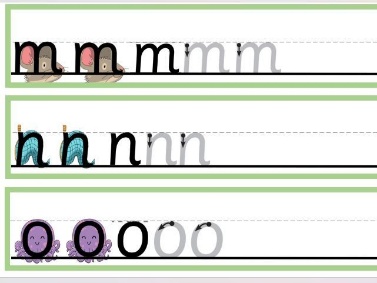
In Key Stage 1, children continue to consolidate accurate letter and number formation using Little Wandle Handwriting programme while increasing their confidence, consistency and stamina. They regularly revisit letter formation and apply their handwriting skills within words, sentences and their everyday writing. By the end of Year 2, children are expected to form letters correctly and write neatly and consistently.
From Year 3 onwards, the focus shifts towards developing a fluent, joined handwriting style. Children are taught the four main joins through carefully structured lessons before applying them within words, sentences and extended pieces of writing. As they progress through Key Stage 2, increasing emphasis is placed on consistency of size, spacing, proportion and presentation, enabling children to write both neatly and efficiently across all subjects.
In Year 5, children transition from pencil to pen once joined handwriting is securely established. They continue to refine their handwriting, developing greater fluency, speed and stamina while maintaining high standards of presentation. By Year 6, handwriting is expected to be an automatic skill, allowing pupils to adapt their writing style appropriately for different purposes and audiences while maintaining legibility and accuracy.
Throughout the school, handwriting is explicitly modelled by adults and practised regularly within lessons. Teachers continually monitor handwriting in all areas of the curriculum and provide additional support or intervention where needed to ensure every child can develop a confident, fluent handwriting style. High expectations for presentation are embedded across all subjects, reinforcing the importance of taking pride in written work.
Writing Equipment
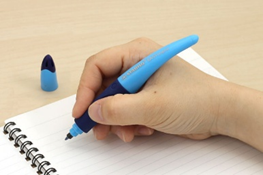
In Reception and Key Stage 1, children use ergonomic pencils to support the development of a correct and comfortable pencil grip. Children write in pencil while they develop accurate letter formation and a secure, joined handwriting style. Once joined handwriting is fluent, consistent and well-presented, children transition to writing in pen during Years 5 and 6.
We recognise that every child develops at a different pace. Where children continue to experience difficulties with handwriting, we provide additional support and carefully select a pen that best meets their individual needs. We have a range of pens available, including ergonomic options, enabling children to use the writing tool that offers them the greatest comfort, control and confidence. This personalised approach helps every child achieve their best possible handwriting while maintaining high expectations for presentation.